
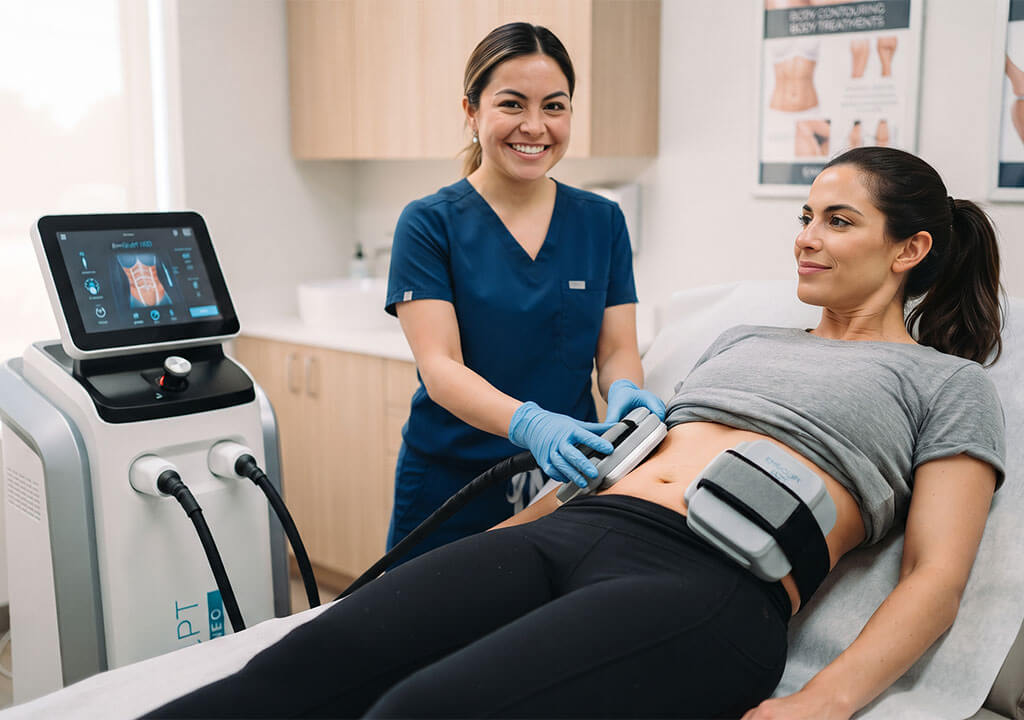
Body sculpting is a broad term for methods that change the shape or appearance of specific areas of the body. Depending on the approach, it may involve reducing localized fat, improving muscle tone, removing excess skin, or combining several of these goals. It is not one single treatment—and it is not necessarily a weight-loss procedure. The FDA describes body sculpting, also called body contouring, as changing an area’s shape, circumference, silhouette, or muscle tone and firmness.
For someone exploring their options, that broad definition can raise more questions than it answers. Does body sculpting require surgery? Can exercise accomplish the same thing? What is the difference between reducing fat and building muscle? And how do you know which approach fits your goals?
At Sana Spa in Albuquerque, we offer multiple body sculpting options, one of them being EMSCULPT NEO, a non-invasive treatment that addresses both localized body fat and muscle toning. Understanding how it fits into the larger picture can help you make a more informed decision about your care.
A Common Definition of Body Sculpting
In everyday terms, body sculpting means reshaping or refining the contours of your body.
The term can describe a range of cosmetic approaches rather than one particular device or procedure. Some treatments focus on small areas of fat. Others target muscle tone, while surgical procedures may remove loose skin and excess fat. The right option depends on what is contributing to the shape you want to change.
For example, someone concerned about abdominal fullness may have a different need than someone bothered by loose skin after significant weight loss. Another person may be interested primarily in improving muscle definition. Although these concerns can look similar from the outside, they involve different tissues and may require different approaches.
It helps to separate body sculpting goals into three categories:
- Localized fat: Reducing a small deposit of fat in a particular treatment area.
- Muscle tone: Improving the tone or firmness of underlying muscles.
- Excess skin: Addressing loose or hanging skin, particularly after substantial weight loss.
Not every body sculpting method addresses all three. Non-invasive treatments also do not provide the same changes as surgical skin removal. Understanding those distinctions is essential when comparing options.
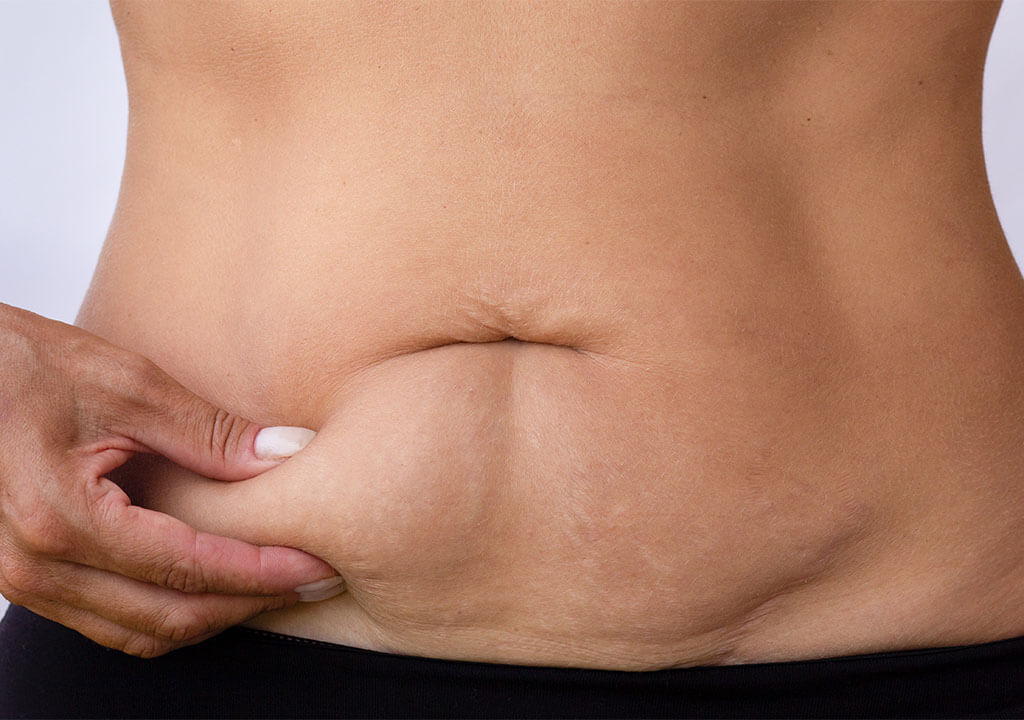
Why Are People Interested in Body Sculpting?
People consider body sculpting for personal reasons. They may want their clothing to fit differently, seek more visible definition, or explore options for an area that has not changed as much as they hoped.
These goals do not have to come from a desire to look like someone else. A useful starting point is identifying what you want to change—and what you want to preserve about your natural shape.
Refining a Specific Area
Body sculpting appeals to people who are interested in a targeted change rather than a dramatic change in overall body weight. Non-invasive contouring technologies are designed to address particular treatment areas, such as small fat deposits or muscle tone, rather than treat obesity.
This distinction matters. A treatment may change the appearance of a selected area without producing substantial weight loss. The number on the scale is therefore not the only—or necessarily the most useful—way to think about a cosmetic contouring goal.
Improving Muscle Definition
Fat reduction is only one part of the body sculpting conversation. Muscle tone can also influence the appearance of a treatment area.
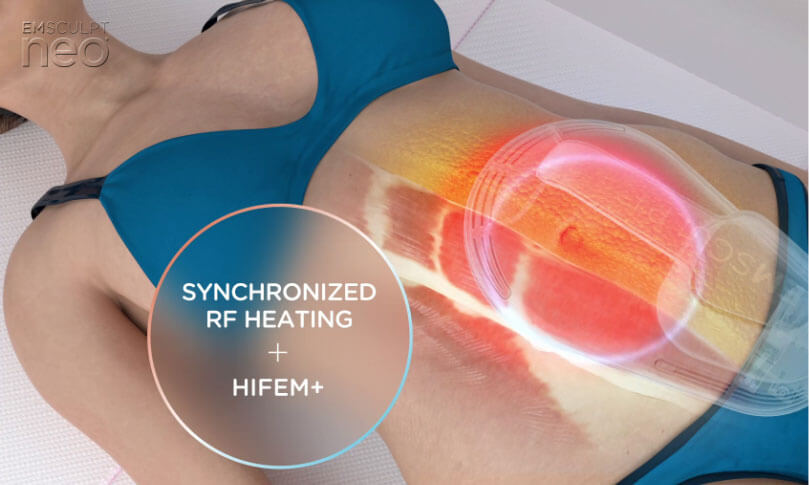
At Sana Spa, EMSCULPT NEO addresses both concerns using two forms of energy: radiofrequency heating and high-intensity focused electromagnetic energy. This combination allows us to approach localized fat and muscle toning within the same treatment.
Exploring Alternatives to Surgery
Some people want to learn whether a non-invasive approach could fit their goals before considering an operation. Treatments performed on the surface of the skin do not require surgical incisions, which distinguishes them from procedures such as liposuction or a tummy tuck. However, non-invasive does not mean risk-free, and these treatments cannot accomplish every change that surgery can.
Addressing Changes After Weight Loss
After significant weight loss, a person may have excess skin that affects their body’s contours. In that situation, reducing another small amount of fat may not address the primary concern. Surgical body contouring can remove excess sagging skin and fat while reshaping the underlying support tissues.
The most useful question is not simply, “Which body sculpting treatment is best?” It is, “Which approach addresses the concern I actually have?”
Is There a Difference Between Body Sculpting and Body Contouring?
In most cosmetic conversations, body sculpting and body contouring mean the same thing. The FDA explicitly uses the terms together when describing treatments that change the shape of a body area.
You may nevertheless encounter different uses of the terms:
- A medical spa may describe a non-invasive fat-reduction or muscle-toning treatment as body sculpting.
- A plastic surgeon may use body contouring to describe procedures that remove excess skin after major weight loss.
- A provider may use either term as a general category covering several treatments.
The terminology alone does not tell you whether a procedure involves surgery, targets fat, stimulates muscle, or removes skin. That is why it is important to ask about the specific treatment—not just the category name.
Body Sculpting Versus Weight Loss: Why the Difference Matters
Body sculpting and weight loss can be part of the same broader conversation, but they are not interchangeable.
Weight management involves overall eating patterns, physical activity, and individual health needs. Body sculpting focuses on the shape or appearance of selected areas. The FDA emphasizes that non-invasive body contouring is not intended to treat obesity or improve health.
That means a cosmetic treatment should not replace a medical plan for weight management or a routine that supports cardiovascular fitness and strength.
It also means expectations should match the treatment. If your primary goal is substantial weight loss, a localized contouring procedure is not designed to deliver that outcome. If your goal is a targeted change in appearance, body sculpting may be worth discussing with a qualified provider.

What Can You Do at Home to Support Your Body Sculpting Goals?
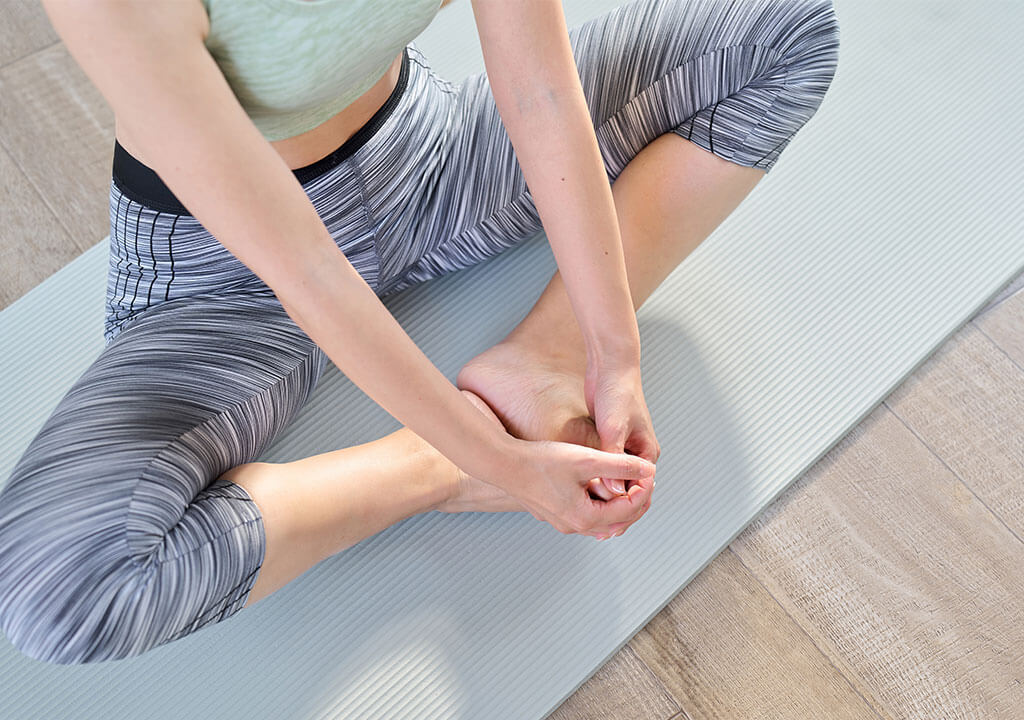
Professional treatments are only one part of the picture. Your everyday habits can support strength, muscle mass, and weight management, whether or not you choose a cosmetic procedure. Regular physical activity and healthy eating patterns remain important foundations.
Build a Consistent Strength-Training Routine
Resistance training is a practical way to increase or maintain muscle mass and strength. It can include weights, resistance bands, and exercises that use your body weight.
A home routine might include movements such as:
- Squats or chair squats.
- Glute bridges.
- Modified or standard push-ups.
- Resistance-band rows.
- Appropriate core exercises.
The goal is a balanced routine rather than focusing exclusively on one area. CDC guidance recommends muscle-strengthening activities on at least two days each week, working all major muscle groups: legs, hips, back, abdomen, chest, shoulders, and arms.
Choose exercises that fit your current abilities. If you have a health condition, an injury, or concerns about starting a new routine, speak with your healthcare provider about appropriate activities.
Include Regular Aerobic Activity
Walking, swimming, cycling, and other aerobic activities support overall fitness and weight management. For adults, the CDC recommends at least 150 minutes of moderate-intensity aerobic activity each week, or 75 minutes of vigorous activity, or an equivalent combination.
You do not need to complete that activity all at once. A brisk walk for 30 minutes on five days each week is one way to meet the moderate-intensity recommendation. Smaller sessions can also fit into your schedule.
The most useful routine is one you can sustain—not an all-or-nothing plan that becomes difficult to maintain.
Use Eating Patterns That Support Your Goals
Physical activity and eating patterns both influence weight management. If losing overall body fat is part of your goal, the relationship between the energy you consume and the energy you use matters. The CDC notes that combining physical activity with reduced calorie intake creates the calorie deficit that leads to weight loss.
That does not mean everyone needs the same diet or should pursue weight loss. Your starting point, health history, and goals should shape the approach. A cosmetic consultation and a nutrition or medical weight-management consultation serve different purposes.
Understand the Limits of At-Home Changes
Exercise can strengthen muscles, and lifestyle changes can support weight management. However, significant excess skin is a separate concern. Surgical body contouring is designed to remove that tissue; a non-invasive treatment is not equivalent to surgical skin removal.
Recognizing the difference can help you avoid expecting one approach to solve a problem it was not designed to address.
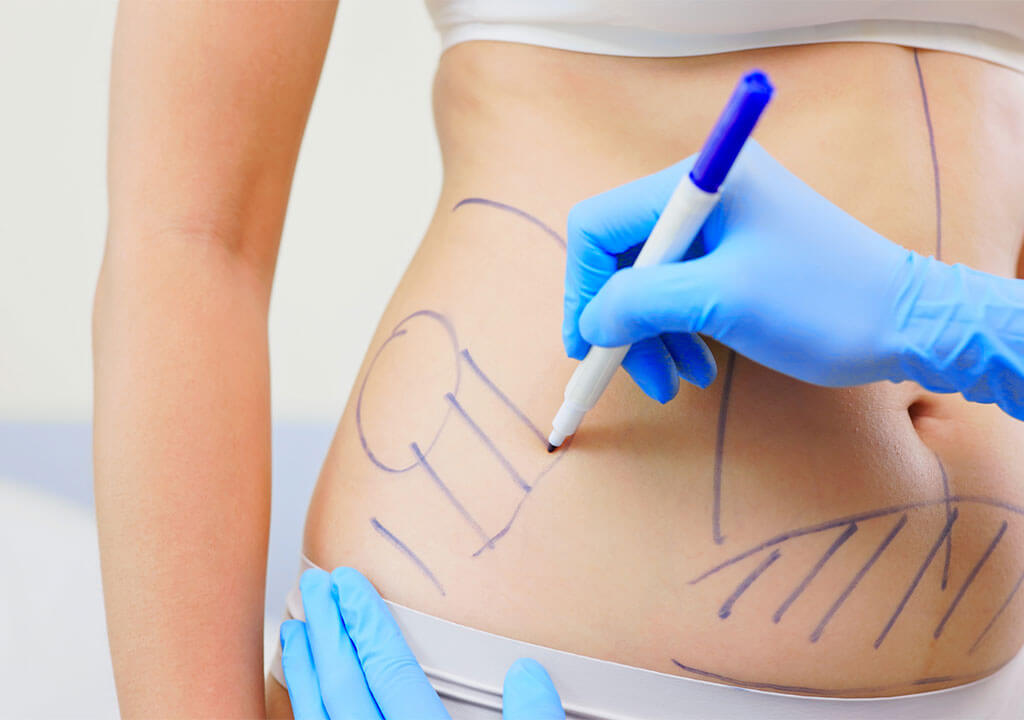
What Surgical Body Sculpting Methods Are Available?
Surgical body sculpting may be appropriate when someone wants more extensive reshaping or needs excess skin removed. These procedures require a separate consultation with a qualified plastic surgeon. The following are examples of surgical approaches—not services being presented as part of Sana Spa’s EMSCULPT NEO treatment.
Liposuction
Liposuction removes fat from a selected area of the body to change its shape. It is a surgical contouring procedure, not a muscle-toning treatment.
The important distinction is what it targets: fat. If loose skin or abdominal wall changes are the main concern, a surgeon may discuss a different procedure or a combination of approaches.
Tummy Tuck
A tummy tuck, also called abdominoplasty, removes excess skin and fat from the abdomen. Depending on the patient’s needs, it may also address separation of the abdominal muscles by repairing the underlying abdominal wall.
This is different from using a device to stimulate muscle contractions. A non-invasive muscle-toning treatment does not perform the surgical skin removal or abdominal wall repair involved in a tummy tuck.
Skin-Removal and Body-Lift Procedures
After major weight loss, surgical body contouring may include procedures to remove excess sagging skin and fat. The purpose is to improve proportions and create smoother contours when excess tissue remains after weight has been lost.
For someone whose primary concern is hanging skin, a surgical assessment may be more informative than a consultation focused only on localized fat reduction.
Why a Surgical Consultation Matters
Choosing between surgical and non-invasive approaches requires more than comparing convenience. The treatments address different concerns and offer different levels of change.
A consultation should clarify what tissue is contributing to your concern, what a procedure can realistically accomplish, and what limitations apply. A less invasive option is not automatically the right option if it cannot address your main goal.
Our Non-Invasive Body Sculpting Service: EMSCULPT NEO
At Sana Spa in Albuquerque, we use EMSCULPT NEO to address localized body fat and muscle toning in the same treatment. It combines radiofrequency heating with high-intensity focused electromagnetic energy, commonly called HIFEM.
How Radiofrequency Heating Works
Radiofrequency energy produces heat within the treatment area. In body contouring, controlled heating can damage targeted fat cells as part of a localized fat-reduction process. It is an energy-based approach rather than the surgical removal of fat through liposuction.
For EMSCULPT NEO, this radiofrequency component is paired with muscle stimulation. That is an important distinction for someone interested in both fat reduction and improved muscle tone.
How Electromagnetic Muscle Stimulation Works
The electromagnetic component stimulates repeated muscle contractions in the treatment area. At Sana Spa, we use this part of EMSCULPT NEO to address muscle toning while the radiofrequency component addresses localized fat.
Although the treatment stimulates muscles, it should be viewed as a complement to—not a replacement for—regular physical activity. Exercise provides broader health benefits that a localized cosmetic treatment is not intended to deliver.
What a Session Is Like
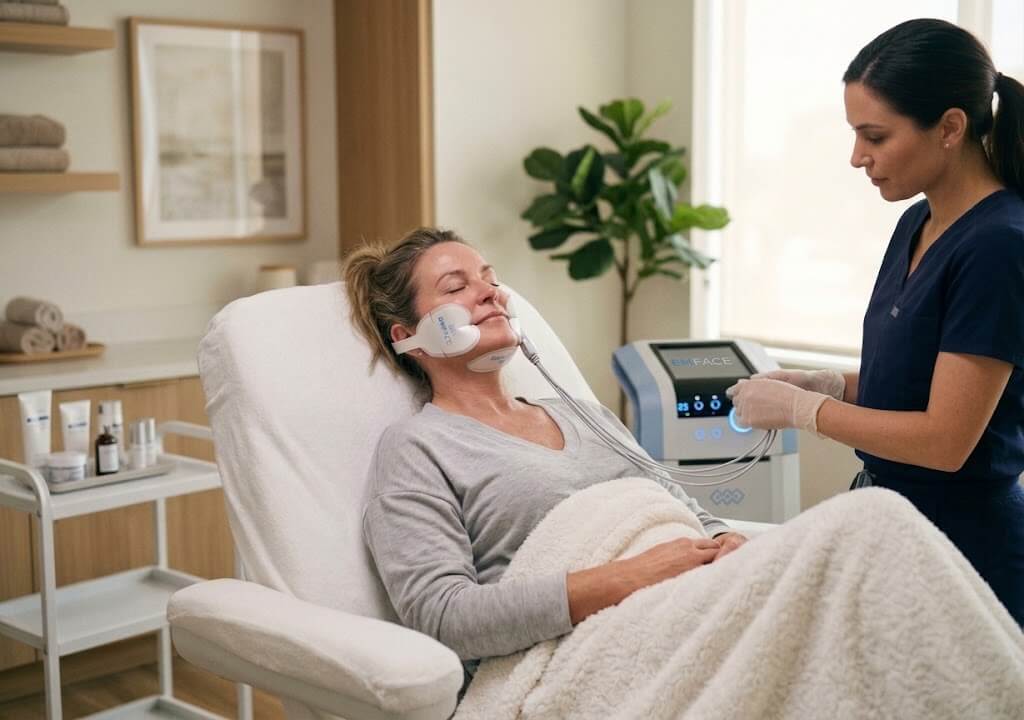
An EMSCULPT NEO session at Sana Spa takes approximately 30 minutes. You lie down while applicators are positioned over the selected treatment area, and the provider adjusts the intensity to your tolerance. The treatment involves a sensation of muscle contractions along with heating.
At our facility, treatment areas commonly include the abdomen or buttocks. During your consultation, we can discuss your goals and determine the appropriate treatment area and plan.
EMSCULPT NEO does not require downtime, allowing patients to resume their day afterward. Still, it is important to distinguish minimal disruption from an absence of possible side effects.
Who Should Discuss EMSCULPT NEO With a Provider?
EMSCULPT NEO may be worth exploring if you are interested in localized fat reduction and muscle toning without surgery. Whether it is appropriate for you depends on your medical history, the area you want to treat, and your expectations.
A consultation is particularly important because electromagnetic and radiofrequency treatments are not suitable for everyone. Tell your provider about implanted devices, metal implants, prior procedures, and relevant medical conditions.
Non-invasive body contouring treatments can also cause complications. The FDA advises patients to discuss benefits and risks with their provider and understand that not everyone responds or achieves the effect they want. Some results may be temporary, and multiple treatments may be needed.
A responsible treatment plan begins with suitability—not a promise that everyone will achieve the same result.
What Results Should You Expect?
The most realistic expectation is a targeted cosmetic change, not a complete transformation of your body or health.
Results vary, and a treatment’s effect may not match every person’s desired outcome. We explain the recommended series, how progress will be assessed, and whether maintenance treatments may be appropriate. A series of treatments followed by maintenance based on individual results may be needed.
Before beginning, useful questions include:
- Is my concern primarily fat, muscle tone, or excess skin?
- What change is realistic in the area I want treated?
- How many appointments are recommended for me?
- What risks or limitations apply to my medical history?
- How will we evaluate the outcome?
- Could another approach better address my goal?
These questions help turn a broad interest in body sculpting into a clear, individualized plan.
Explore Body Sculpting at Sana Spa in Albuquerque
Body sculpting is not one-size-fits-all. The best starting point is understanding whether you want to address localized fat, muscle tone, excess skin, or a combination of concerns—and choosing an approach designed for that purpose.
At Sana Spa, our EMSCULPT NEO service offers a non-invasive option that addresses both localized body fat and muscle toning. Learn more about EMSCULPT NEO in Albuquerque and schedule a consultation to discuss your goals, suitability, and realistic expectations.
References
- U.S. Food and Drug Administration: Non-Invasive Body Contouring Technologies
- U.S. Food and Drug Administration: Body Sculpting—Information and Resources About Benefits and Risks of Non-Invasive Body Contouring Devices
- Centers for Disease Control and Prevention: Physical Activity and Your Weight and Health
- Centers for Disease Control and Prevention: Adult Activity—An Overview
- Centers for Disease Control and Prevention: What Counts as Physical Activity for Adults
- Centers for Disease Control and Prevention: Benefits of Physical Activity
- American Society of Plastic Surgeons: Body Contouring
- American Society of Plastic Surgeons: Sculpt and Tuck—The All-in-One Approach to Body Contouring
- UT Southwestern Medical Center: Body-Contouring Procedures for Fat and Loose Skin