
The pelvic floor is a group of muscles and connective tissues that forms a supportive “hammock” across the bottom of the pelvis. These muscles help support the bladder, uterus, and bowel while playing an important role in urinary control, bowel function, core stability, and sexual wellness.
When the pelvic floor becomes weak, overly tight, or unable to coordinate correctly, it may be described as pelvic floor dysfunction. A weak pelvic floor can affect comfort, confidence, exercise, and everyday activities.
What Causes Pelvic Floor Dysfunction?
A weak pelvic floor can develop for many different reasons. Common contributing factors include:
- Pregnancy and vaginal childbirth: Pregnancy places added pressure on pelvic structures, while vaginal delivery can stretch and strain pelvic floor muscles.
- Aging and hormonal changes: Perimenopause and menopause can affect collagen and tissue elasticity, which may contribute to vaginal dryness, laxity, and pelvic support changes.
- Chronic coughing or constipation: Repeated coughing, straining, or bearing down can place ongoing pressure on the pelvic floor.
- Heavy lifting or high-impact activity: Weight lifting, running, jumping, and intense exercise may worsen symptoms when the pelvic floor and core are not coordinating effectively.
- Pelvic surgery, injury, or trauma: Procedures and injuries involving the pelvic area can affect muscle function and tissue support.
- Excess body weight: Additional pressure within the abdomen can place extra strain on the pelvic floor over time.
- Inactivity or prolonged sitting: Limited movement and poor posture can contribute to reduced core and pelvic floor coordination.
It is important to remember that pelvic floor dysfunction does not always mean the muscles are simply too weak. In some cases, the pelvic floor may be overly tense or have difficulty relaxing. A qualified healthcare provider or pelvic floor physical therapist can help identify the underlying cause of symptoms.
Symptoms of a Weak Pelvic Floor
Symptoms can be mild or disruptive and may affect bladder control, bowel habits, intimacy, and daily comfort. Possible symptoms include:
- Urine leakage when coughing, laughing, sneezing, jumping, or exercising
- Frequent or urgent need to urinate
- Difficulty fully emptying the bladder or bowel
- Constipation or frequent straining during bowel movements
- Pelvic pressure, heaviness, or a sensation of bulging
- Vaginal dryness, laxity, or changes in sensation
- Discomfort during intimacy
- Pelvic, low-back, hip, or tailbone discomfort
Because these symptoms can have several possible causes, persistent, painful, or worsening symptoms should be discussed with a licensed healthcare professional.
Ways to Strengthen the Pelvic Floor
Improving pelvic floor health begins with learning how to properly contract and relax the muscles. Kegel exercises may be helpful for some people, but they are not appropriate for every type of pelvic floor dysfunction. If the muscles are already tense, doing more contractions without guidance may make symptoms worse.
Helpful approaches may include:
- Working with a pelvic floor physical therapist for an individualized assessment
- Practicing properly performed Kegel exercises when appropriate
- Using diaphragmatic breathing and core-coordination exercises
- Managing constipation and avoiding frequent straining
- Adjusting high-impact workouts when leakage or pressure occurs
- Maintaining a healthy weight and addressing chronic coughing when possible
For more practical tips, read our comprehensive guide to strengthening the pelvic floor.
Vaginal Rejuvenation and Pelvic Floor Support
For women experiencing pelvic floor concerns along with vaginal dryness, laxity, changes in sensation, or mild urinary leakage, vaginal rejuvenation services at Sana Spa may be part of a personalized wellness plan. Sana Spa offers non-surgical options designed to support different intimate wellness and pelvic floor goals.
Emsella
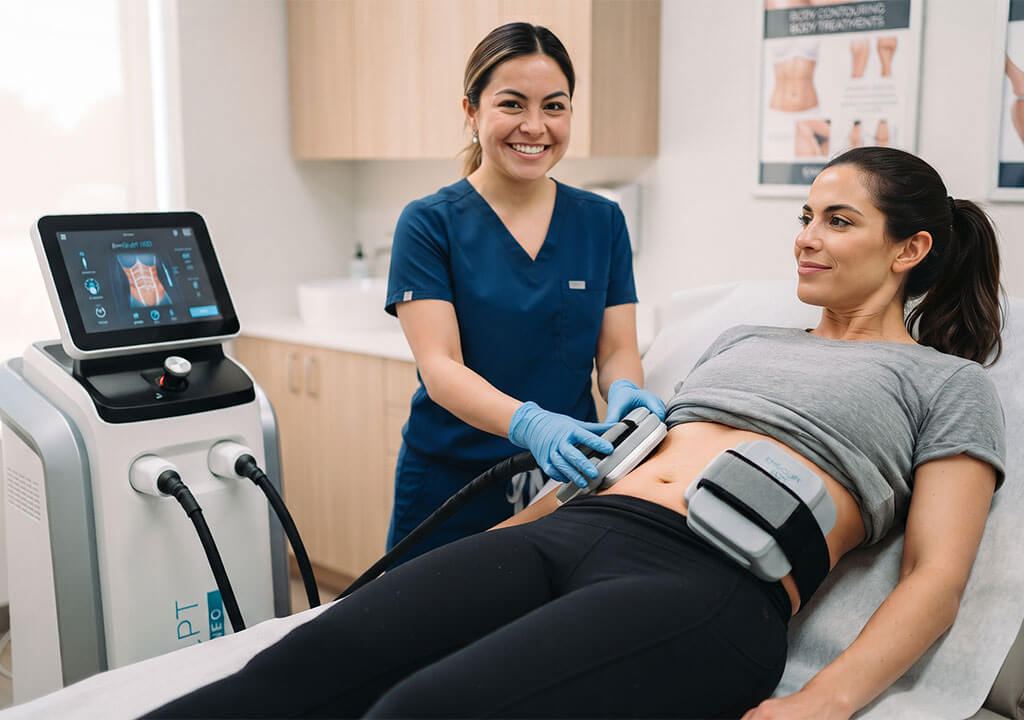
Emsella is best suited for women looking to strengthen pelvic floor muscles without surgery or downtime. This non-invasive treatment uses electromagnetic technology to stimulate pelvic floor muscle contractions and may be especially helpful for urinary incontinence and overall pelvic floor support. Patients remain fully clothed during treatment.
EmFemme
EmFemme is best suited for women concerned about vaginal tissue quality, mild laxity, dryness, and mild urinary incontinence. This radiofrequency treatment is designed to support collagen production and improve vaginal tissue health without downtime.
ThermiVa
ThermiVa is best suited for women seeking non-surgical rejuvenation of internal and external vaginal tissues. It may help address vaginal dryness, laxity, and mild to moderate stress urinary incontinence through radiofrequency-based treatment.
vFit PLUS
vFit PLUS is best suited for women who want a convenient at-home option for ongoing vaginal wellness. This home-use device combines red light therapy, gentle heat, and sonic technology to support vaginal tone, sensation, and lubrication.
Find the Right Option for You
Every person’s symptoms, medical history, and goals are different. A consultation can help determine whether pelvic floor physical therapy, lifestyle changes, medical evaluation, or a vaginal wellness treatment may be the right next step.
Contact Sana Spa today to schedule a complimentary consultation and discuss your pelvic floor and vaginal rejuvenation goals.